
NATURA VITA / FOODS
Foods & snacks.
Explore the range and discover complete details for every product.
Products
Certifications & documents ↗Our collection.
Choose a category or search for a product. Find complete ingredients, directions and nutrition details on each product page.
33 products
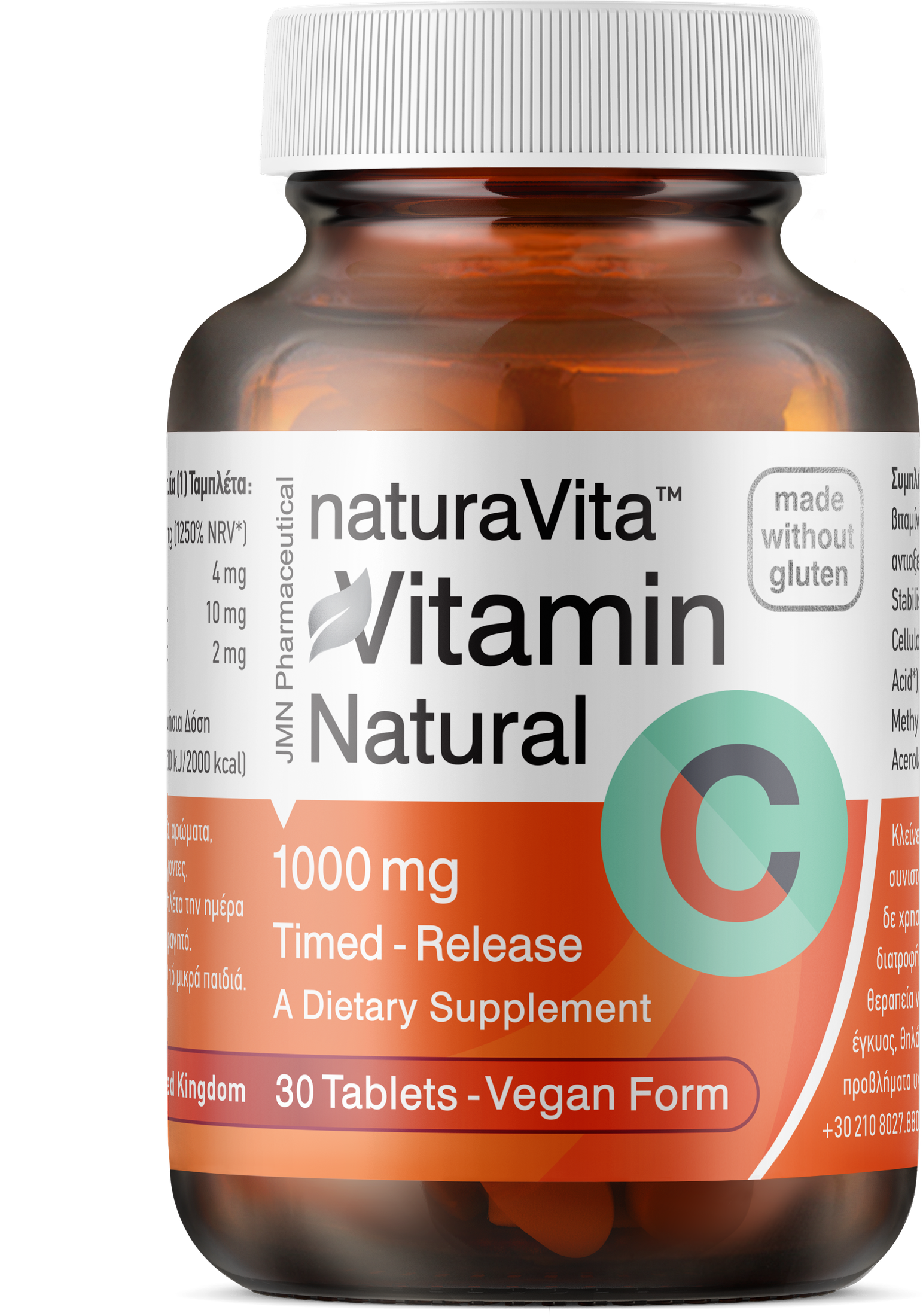
Vitamin C 1000 mg Timed Release↗
30 Tablets
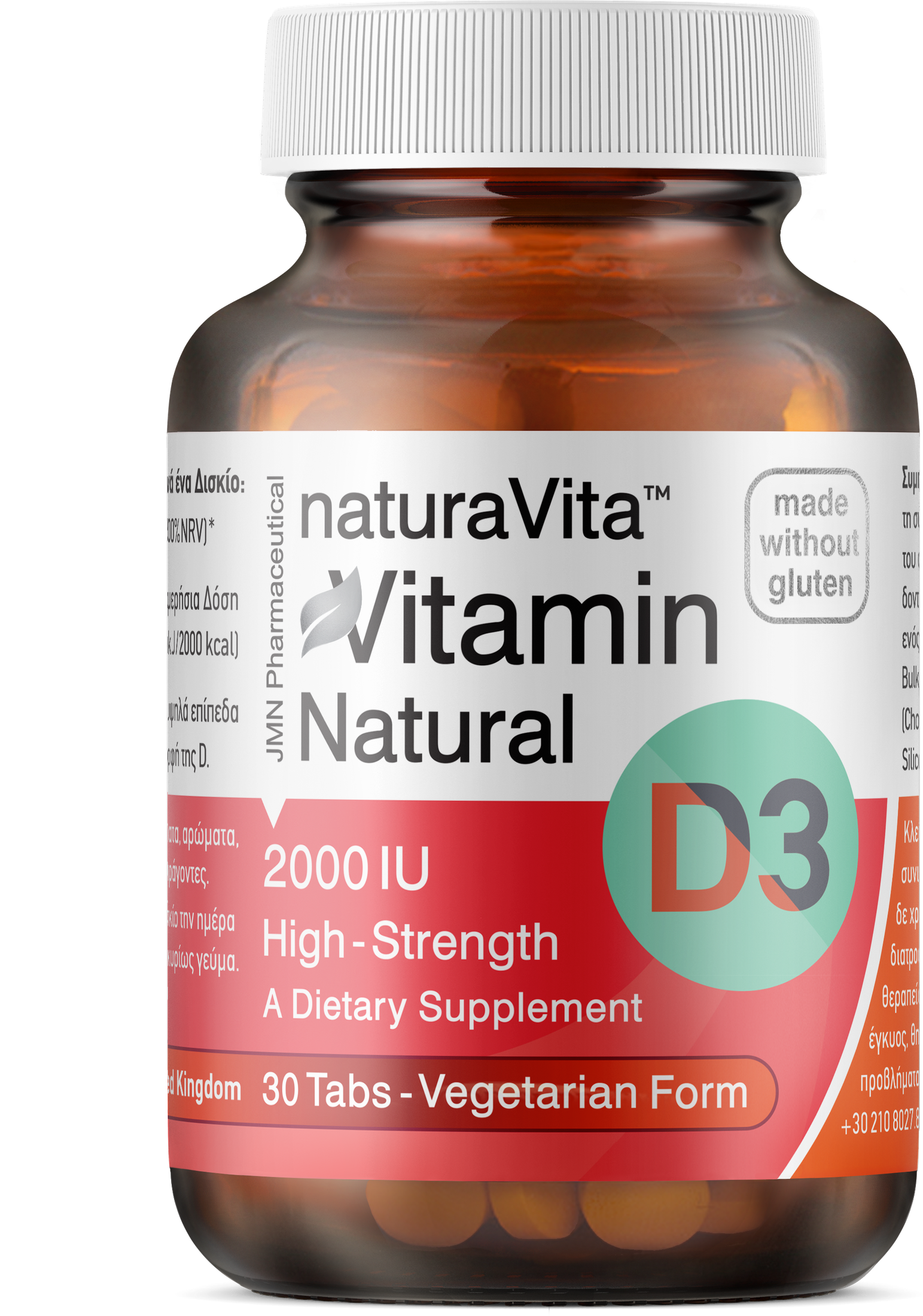
Vitamin D3 2000 IU↗
30 Tablets
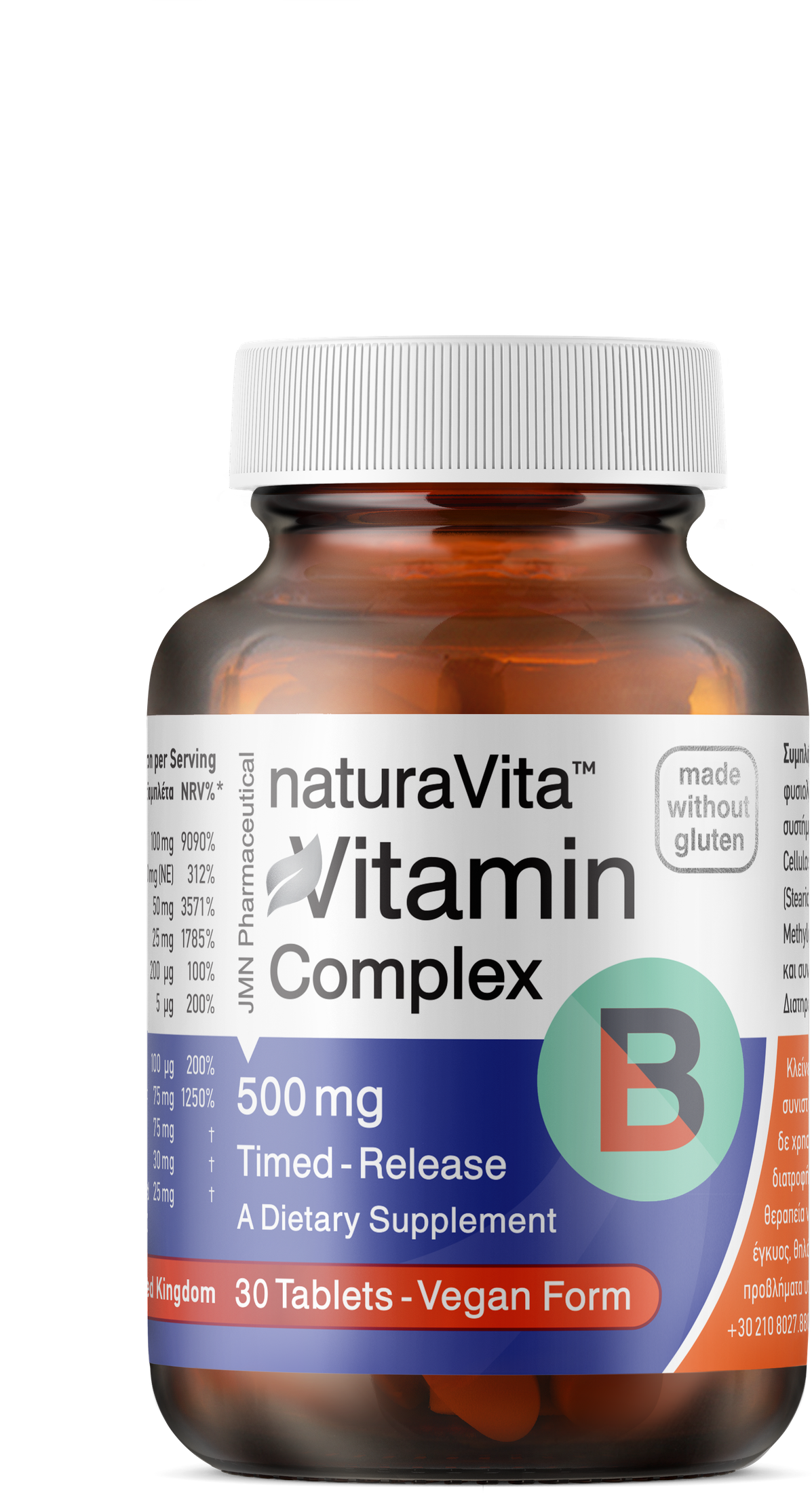
Vitamin B Complex↗
30 Tablets
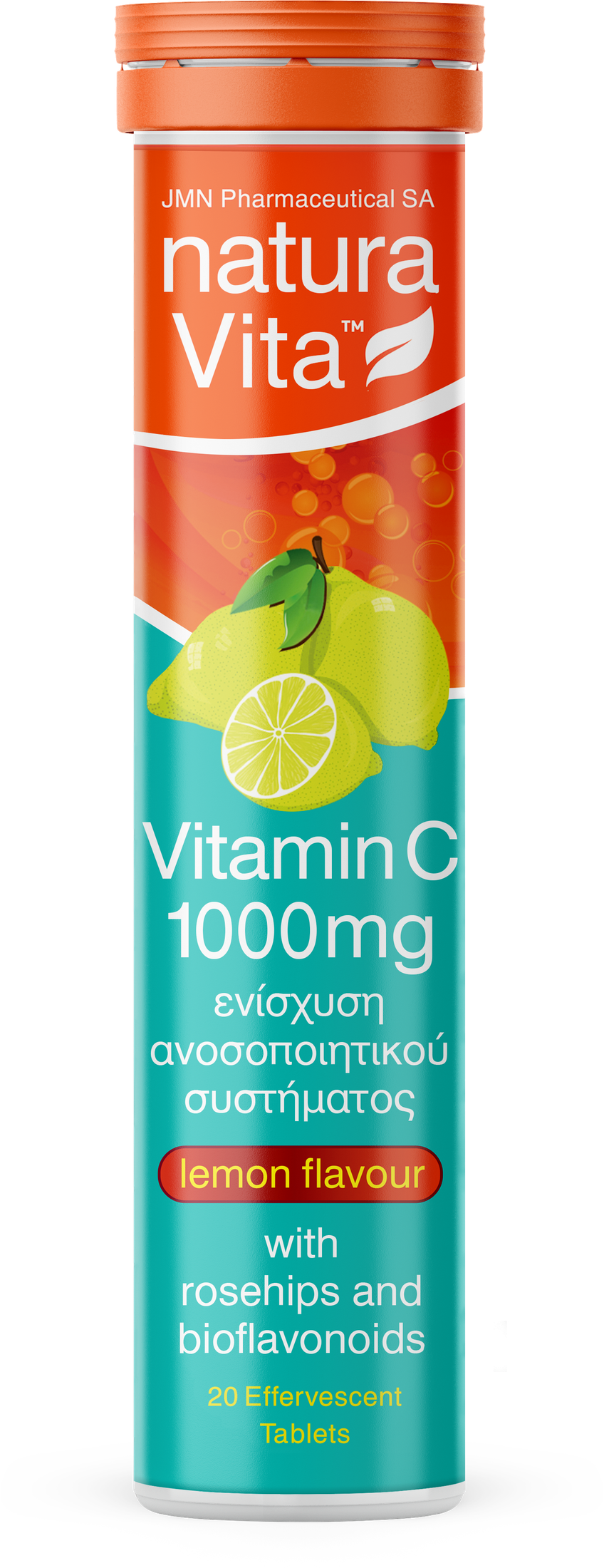
Vitamin C 1000 mg w/ Rosehips & Bioflavonoids · Lemon↗
20 Effervescent tablets
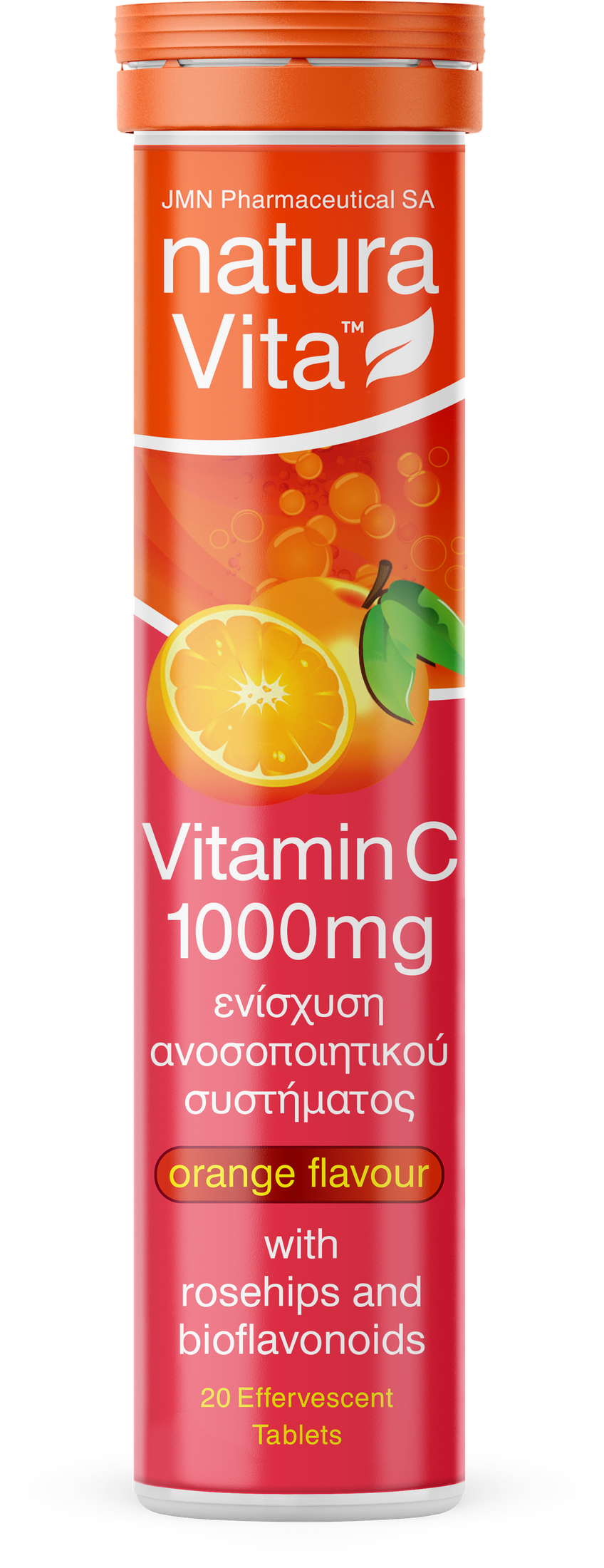
Vitamin C 1000 mg w/ Rosehips & Bioflavonoids · Orange↗
20 Effervescent tablets
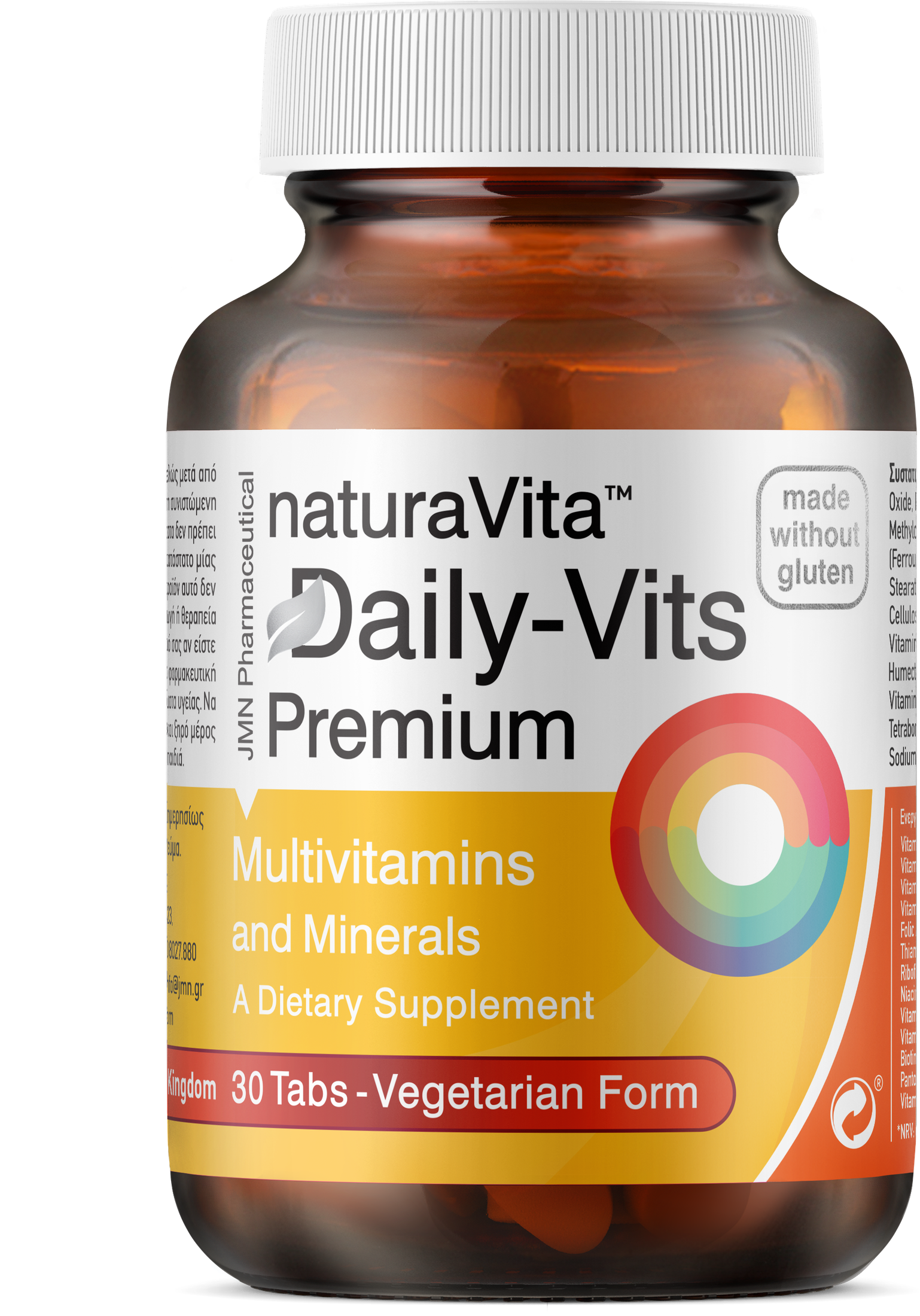
Daily-Vits↗
30 Tablets
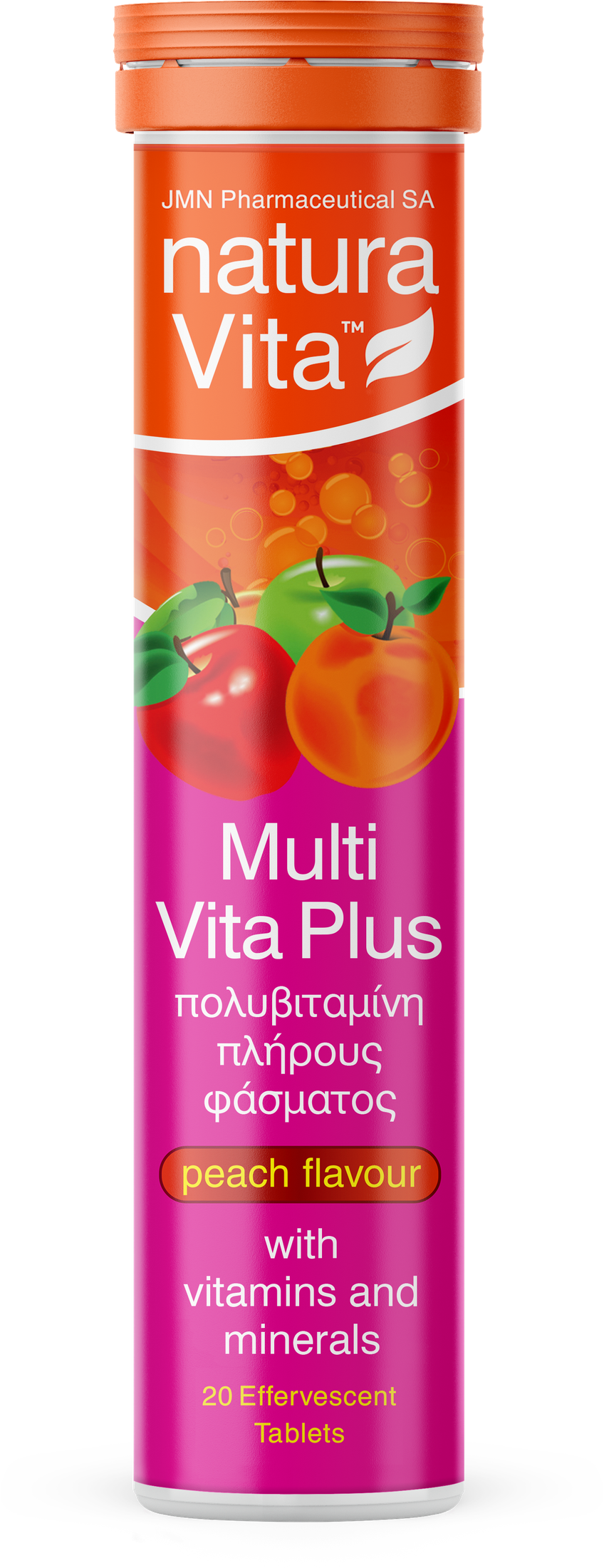
Multi Vita plus Minerals & Vitamins↗
20 Effervescent tablets
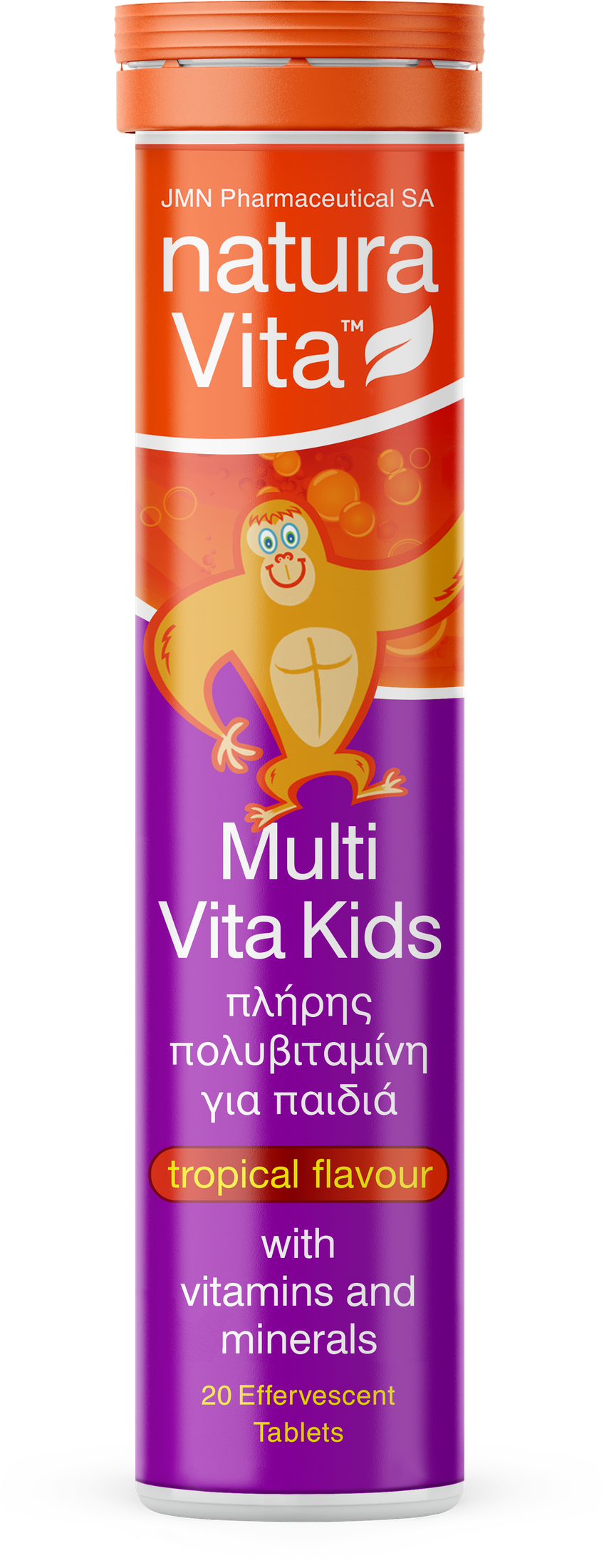
Multi Vita Kids plus Calcium & B Complex↗
20 Effervescent tablets
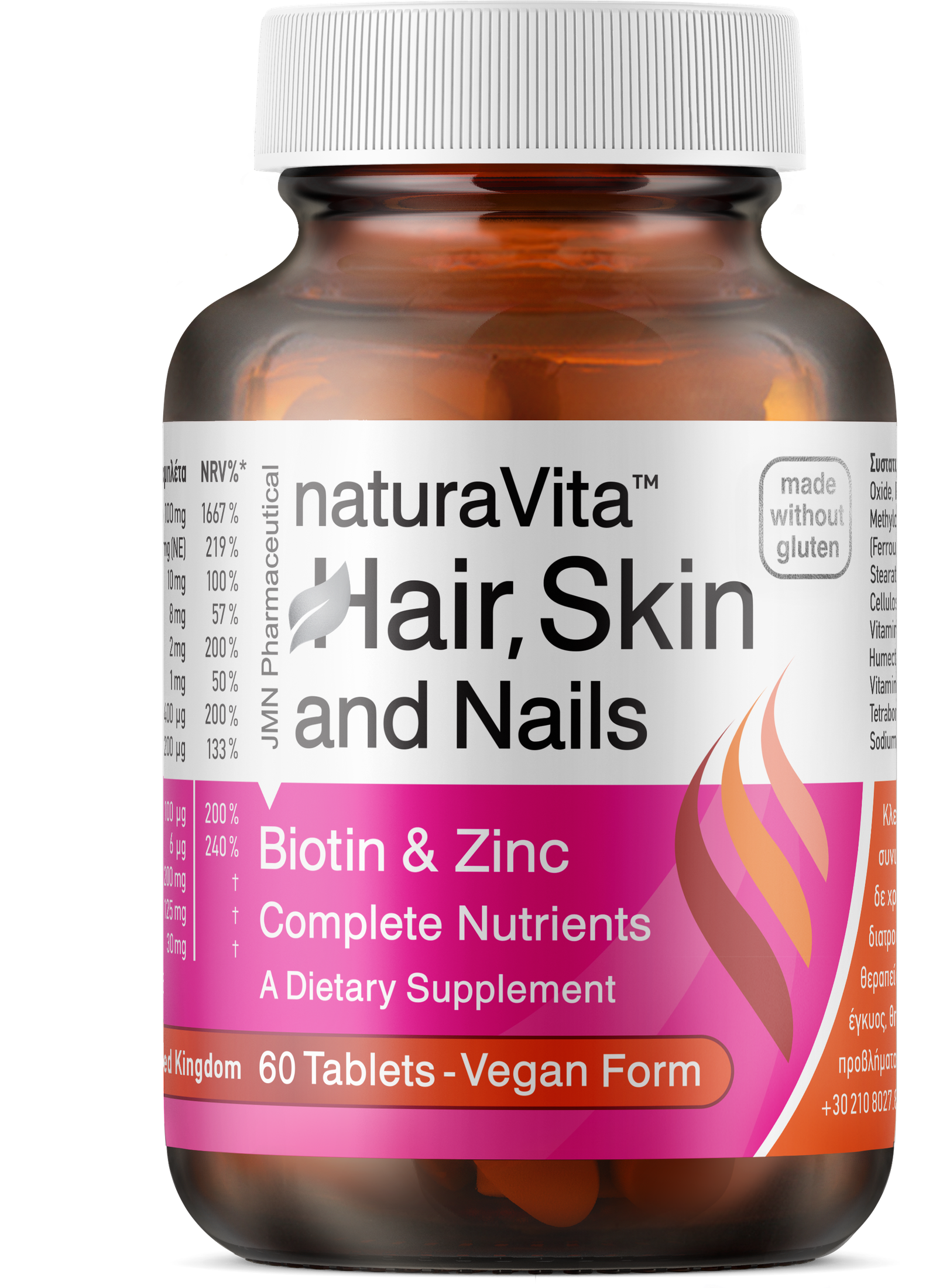
Skin, Hair and Nails↗
60 Tablets
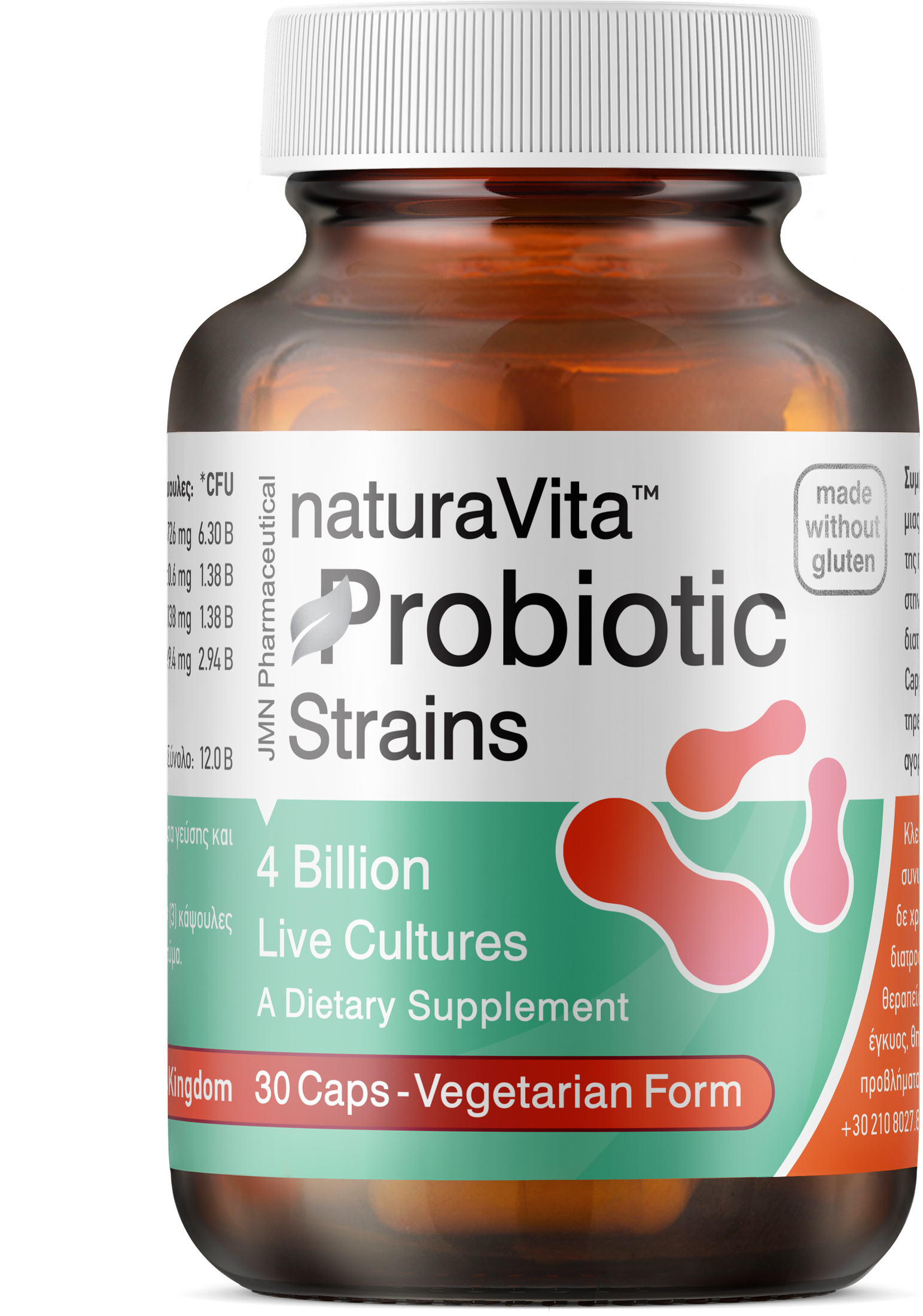
Probiotic Strains, 4 Billion Live Cultures↗
30 Capsules

Melatonin 1 mg↗
30 Tablets
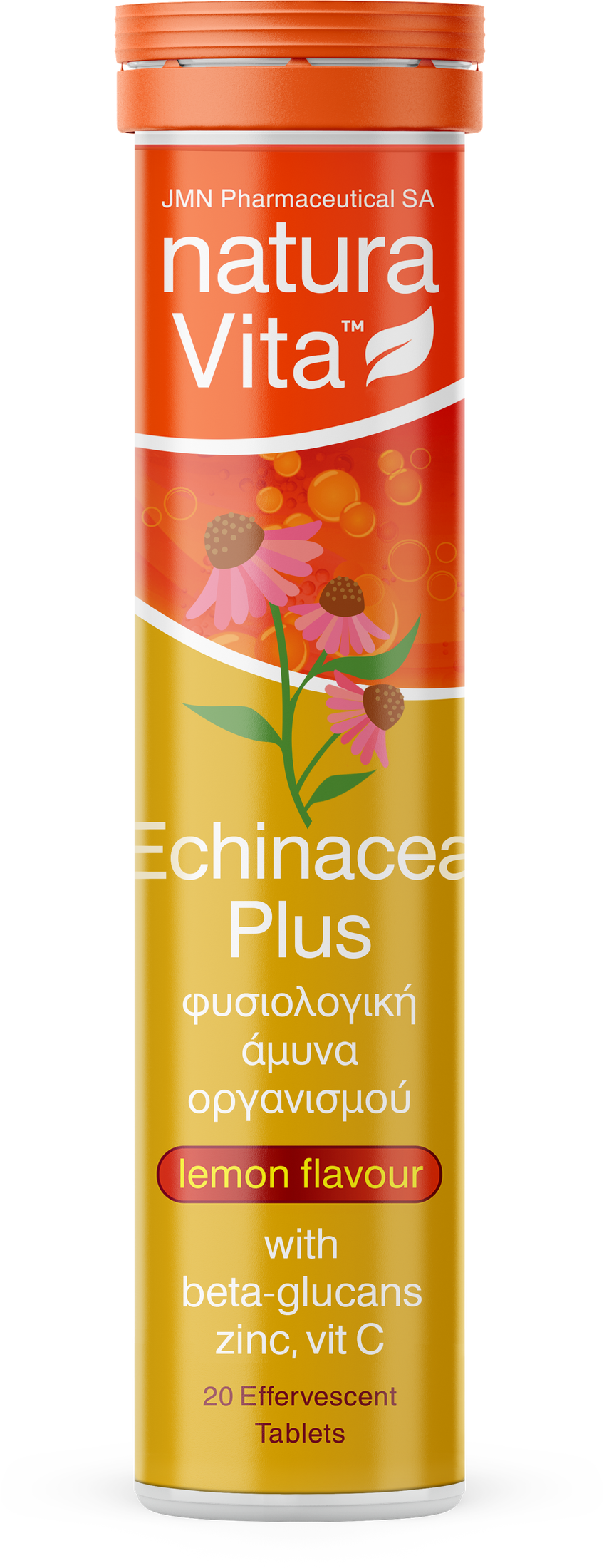
Echinacea plus Beta Glucans, Zinc & Vitamin C↗
20 Effervescent tablets
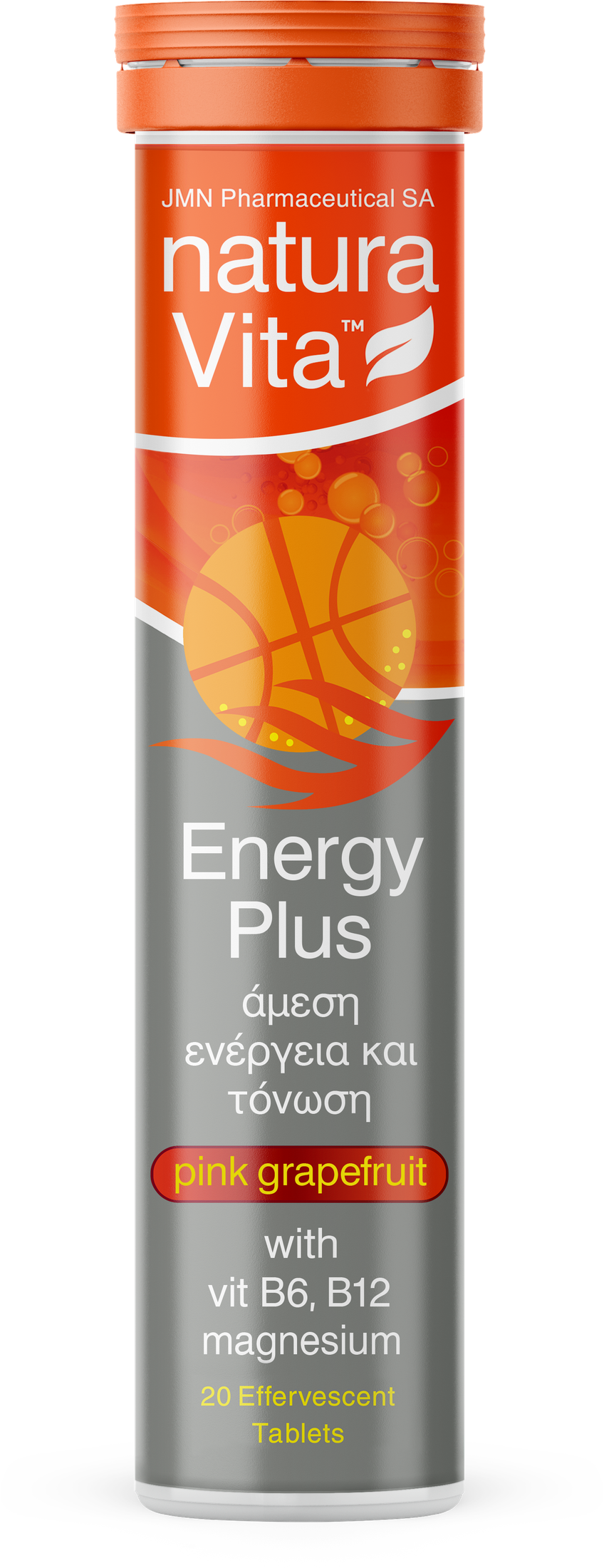
Energy Plus w/ Caffeine↗
20 Effervescent tablets

Collagen w/ Hyaluronic Acid↗
250 ml
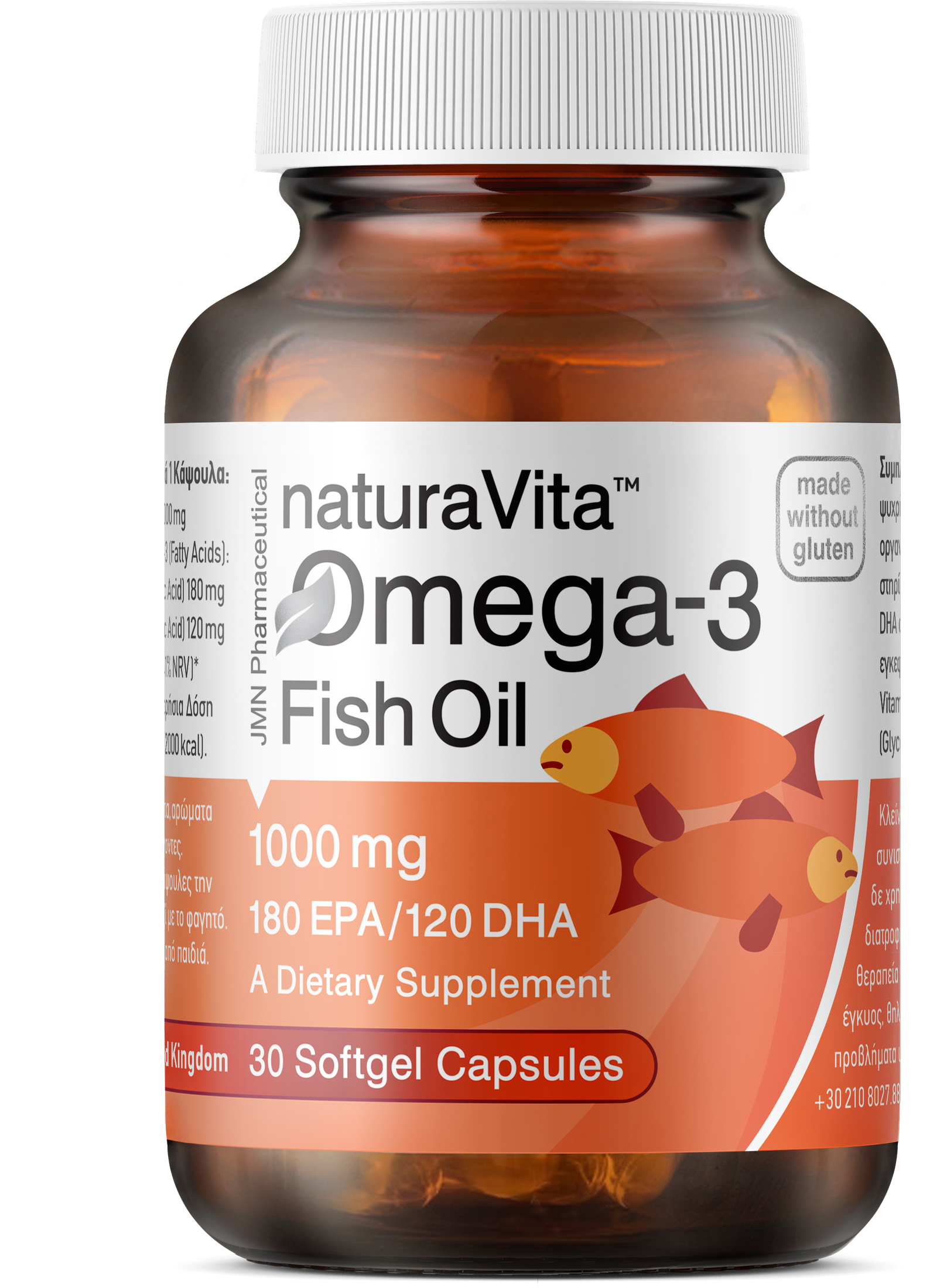
Omega-3 1000 mg Fish Oil↗
30 Capsules
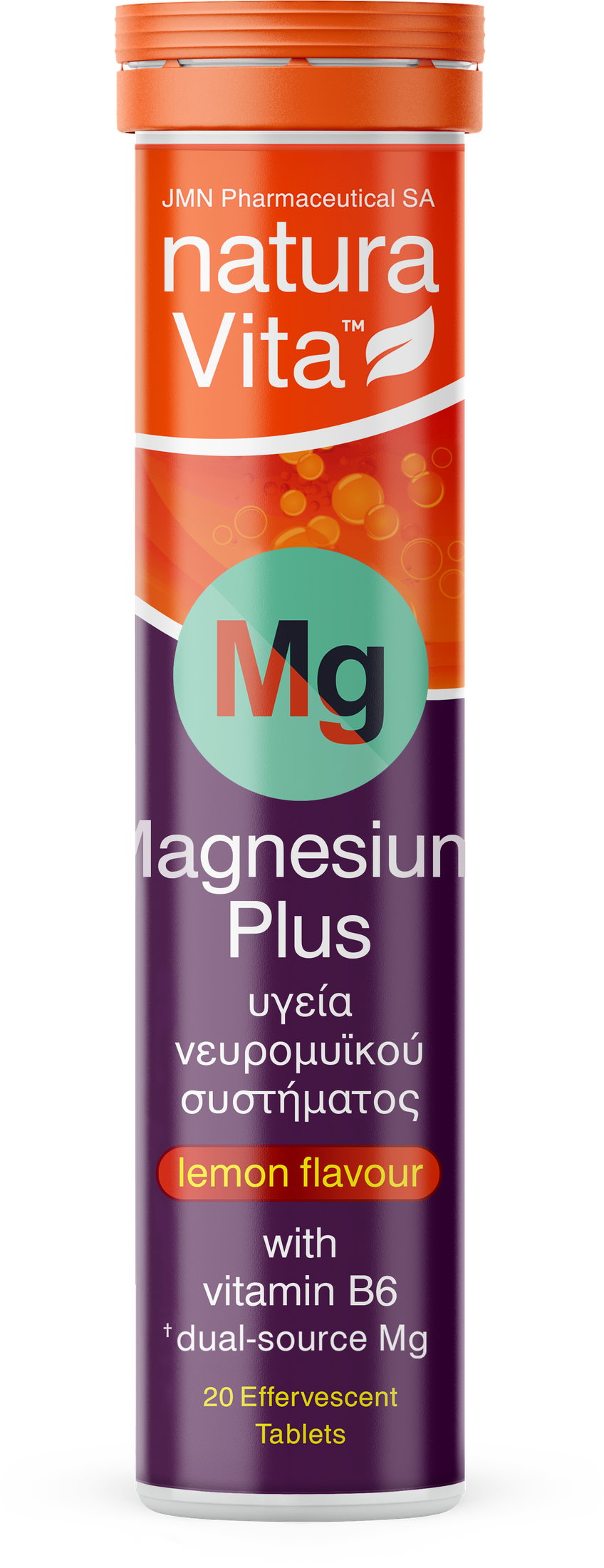
Magnesium plus Vitamin B6↗
20 Effervescent tablets
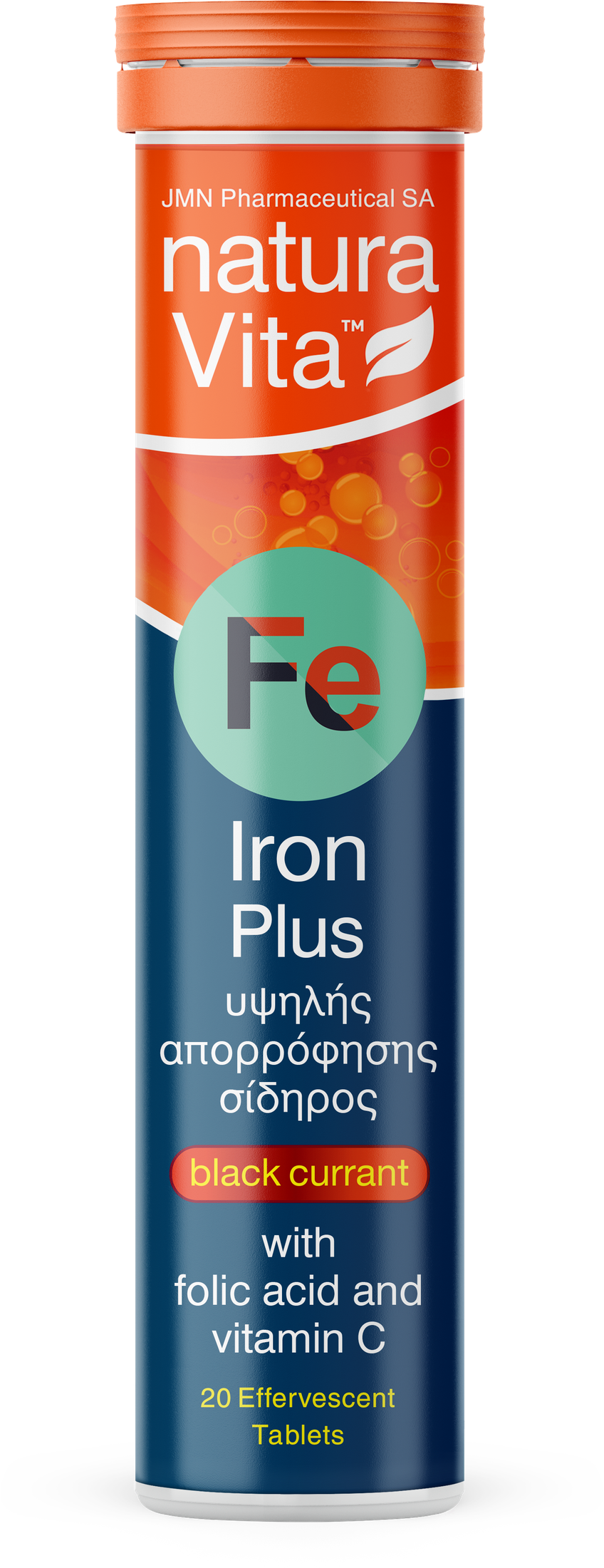
Iron plus Folic Acid & Vitamin C↗
20 Effervescent tablets
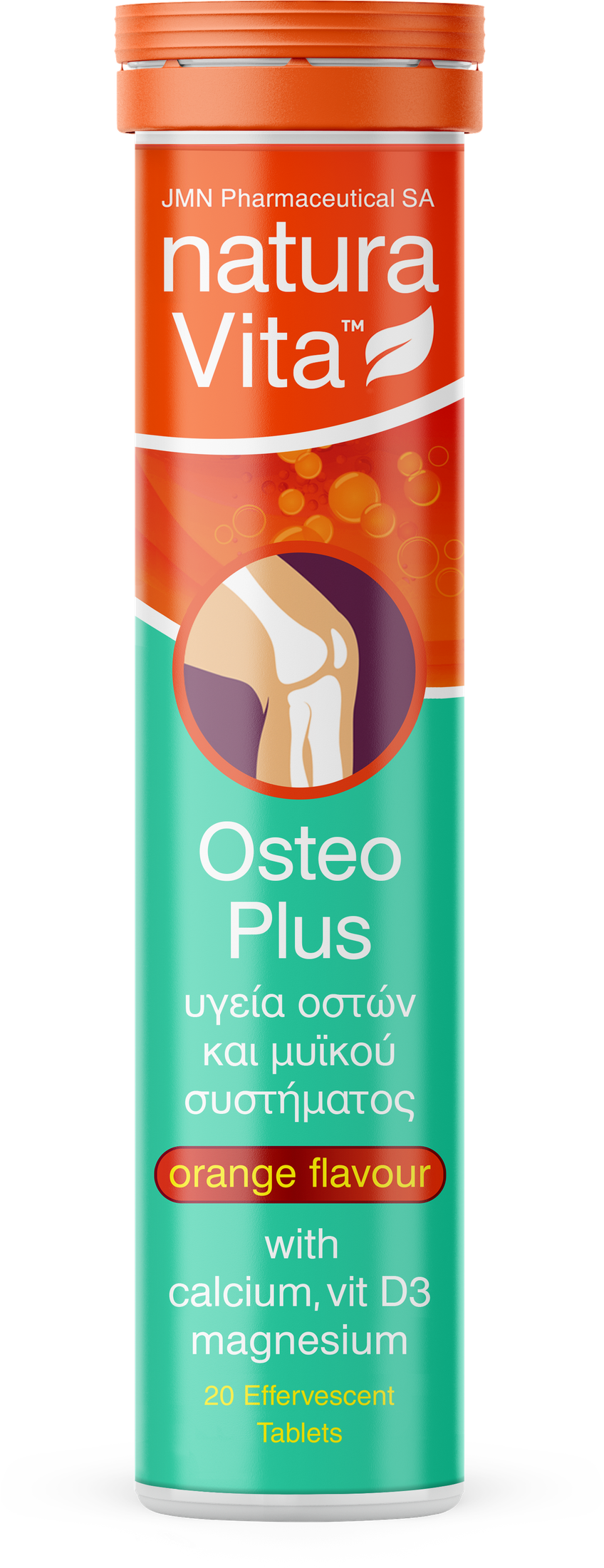
Osteo plus Calcium & Magnesium↗
20 Effervescent tablets
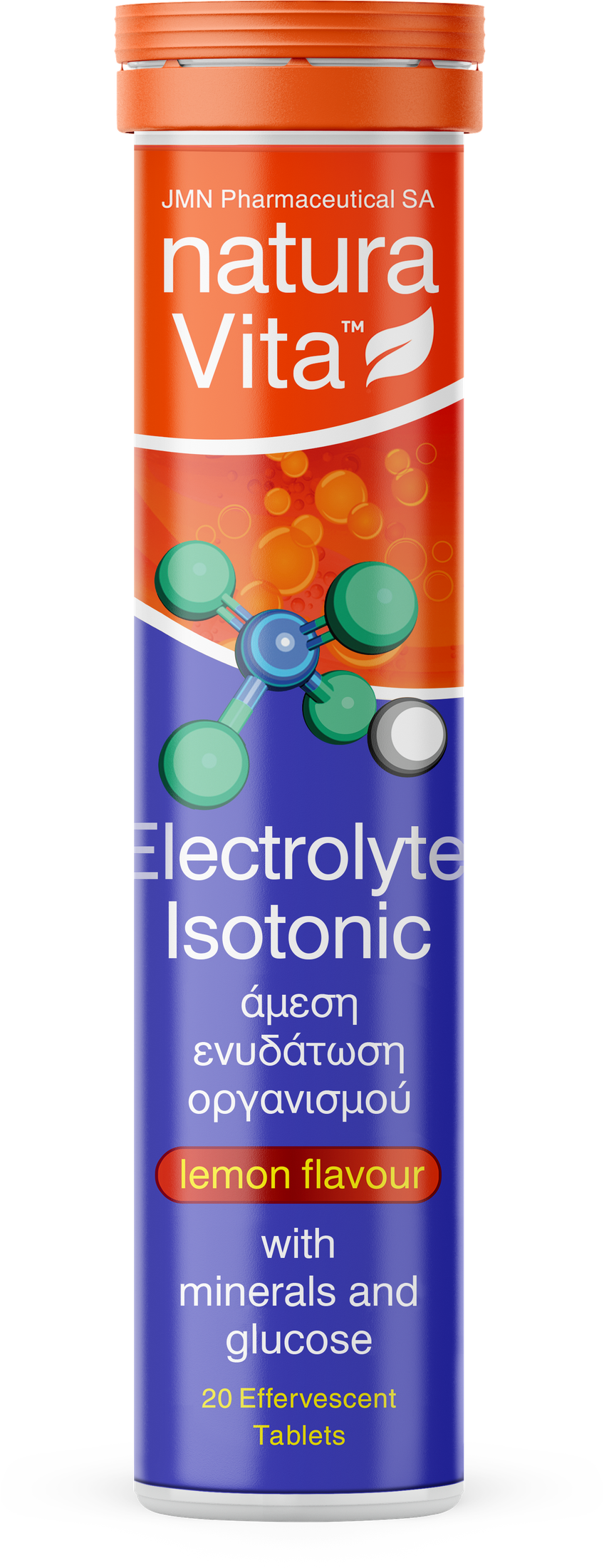
Electrolytes Isotonic plus Minerals & Glucose↗
20 Effervescent tablets
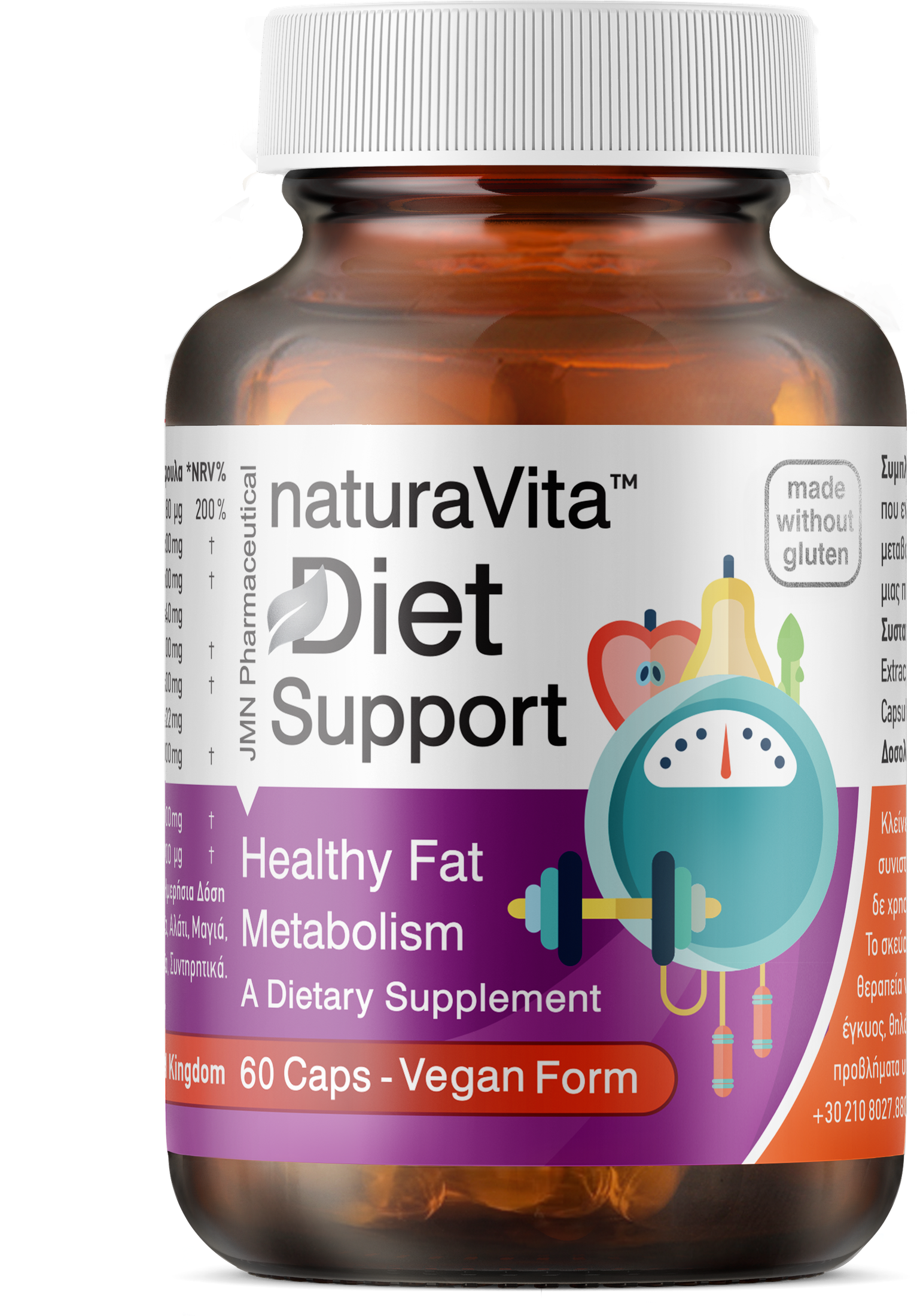
Diet Support↗
60 Capsules
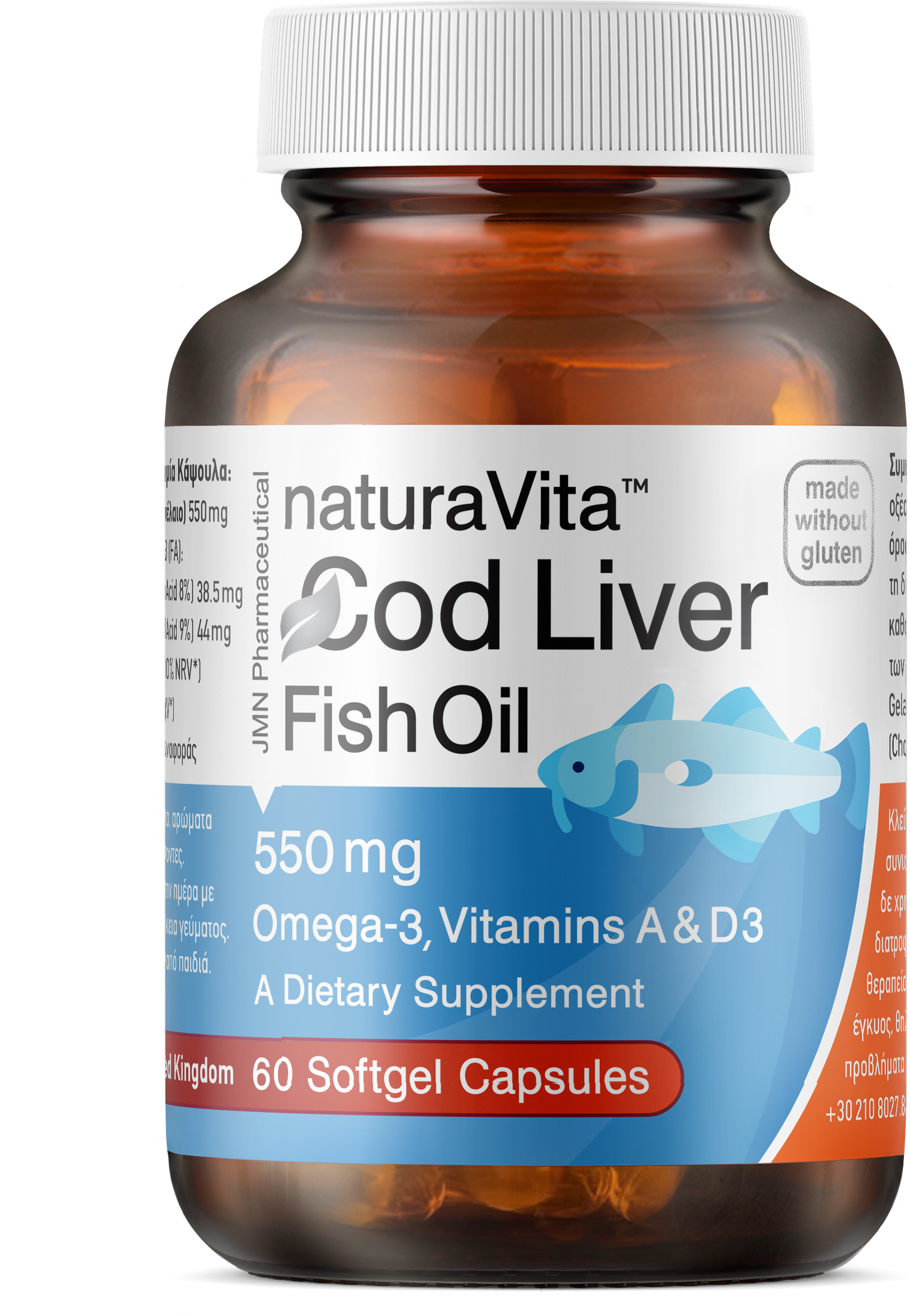
Cod Liver Oil 550 mg↗
60 Capsules

Almonds, Roasted & Salted↗
200 g
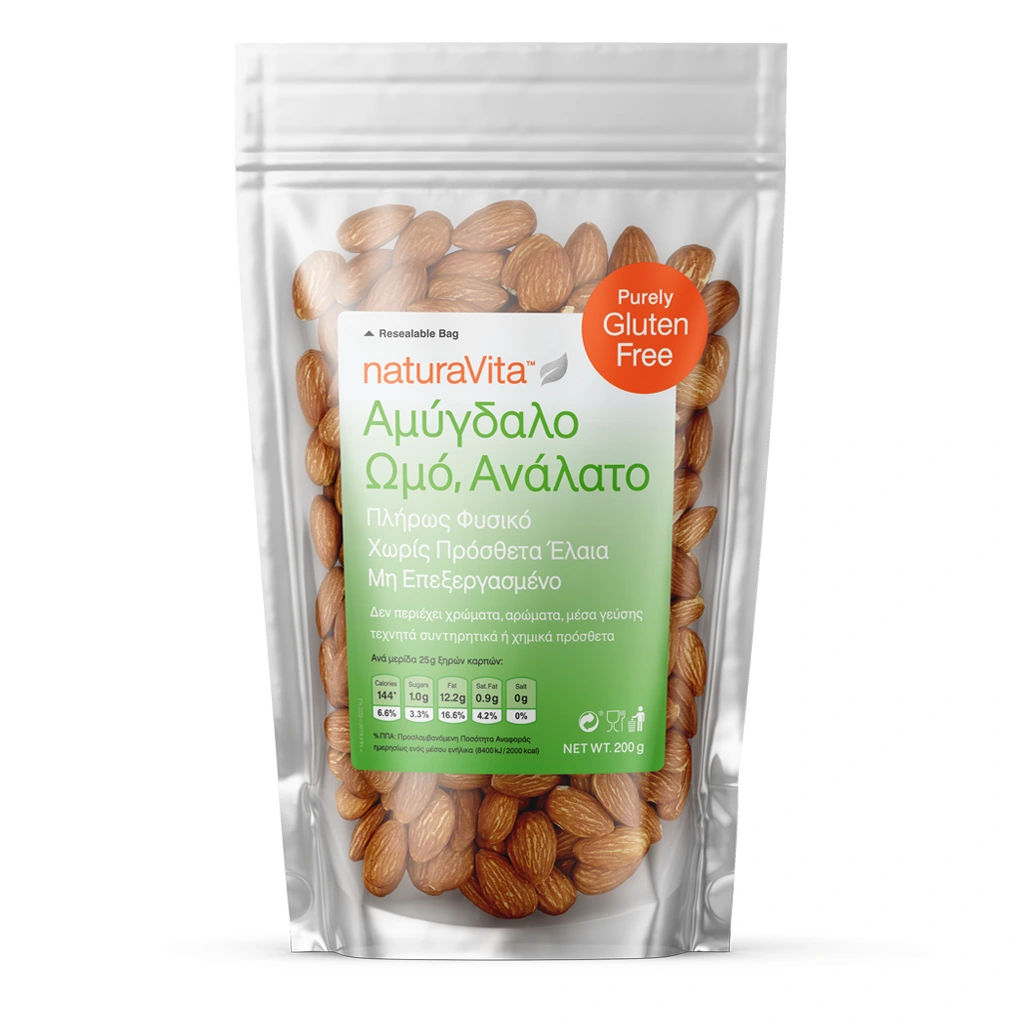
Almonds, Raw & Unsalted↗
200 g
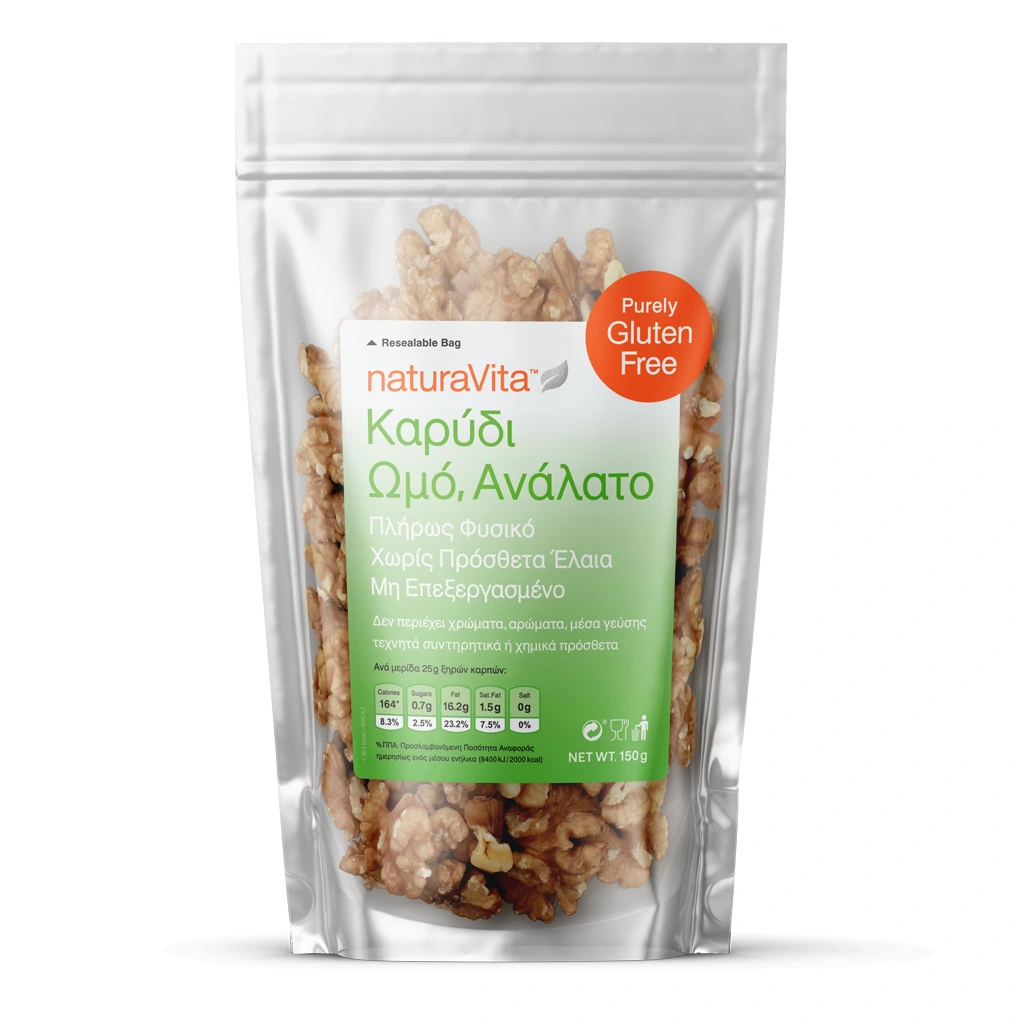
Walnuts, Raw & Unsalted↗
150 g
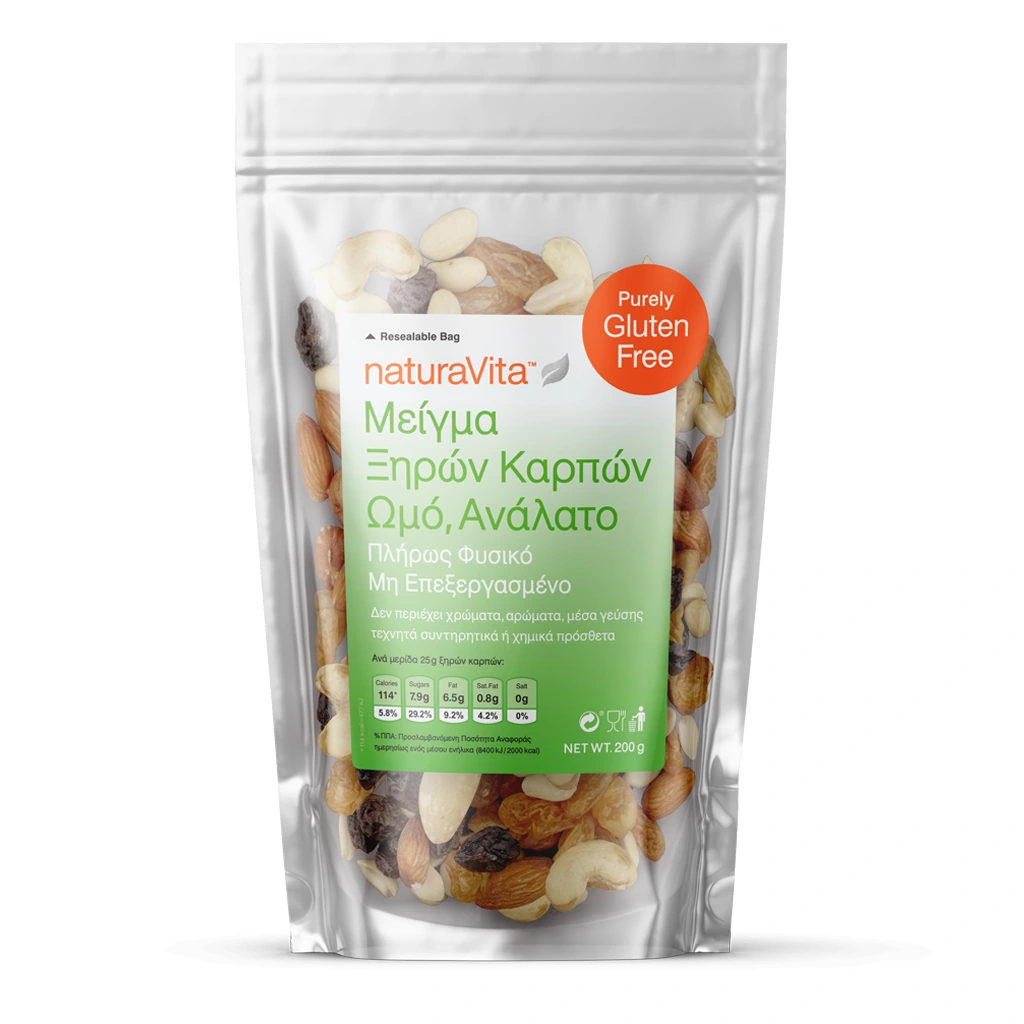
Raw Energy Nut Mix, Unsalted↗
200 g
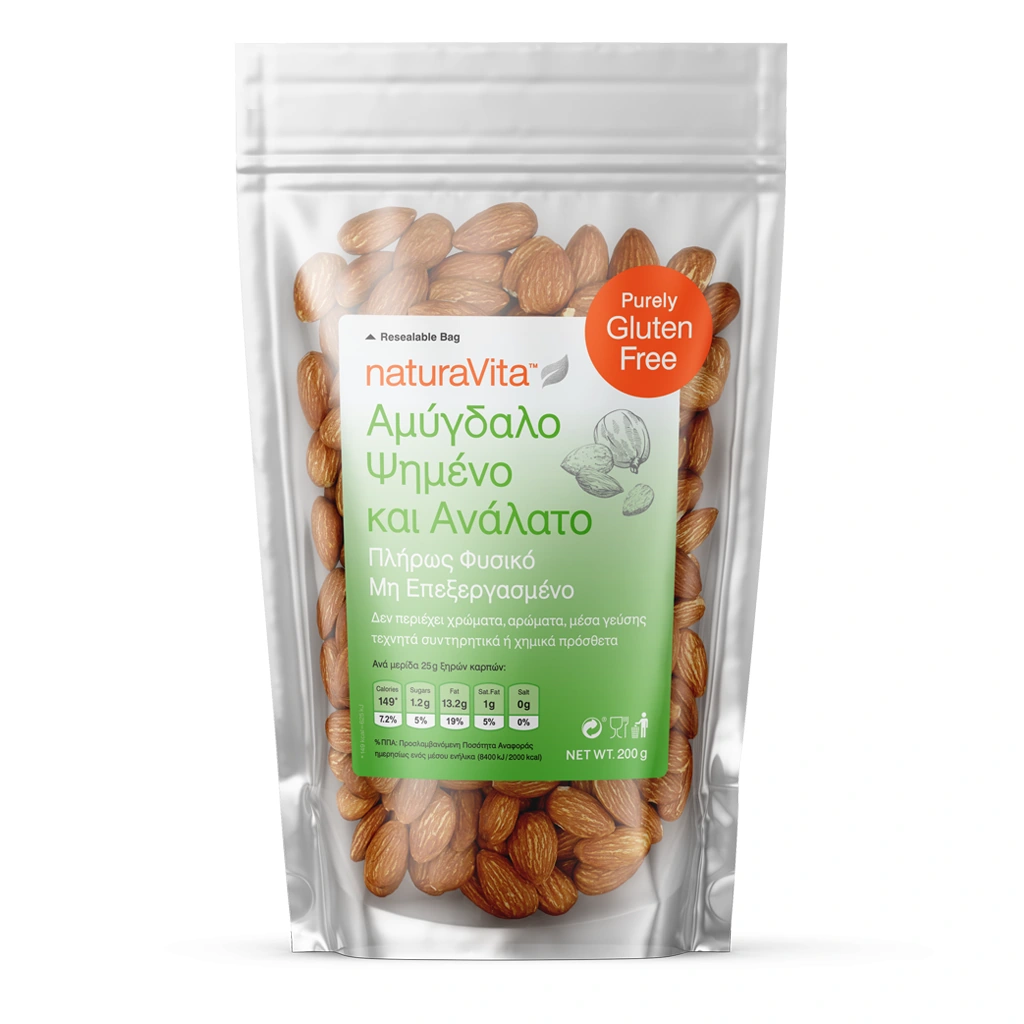
Almonds, Roasted & Unsalted↗
200 g

Cashews, Raw & Unsalted↗
200 g
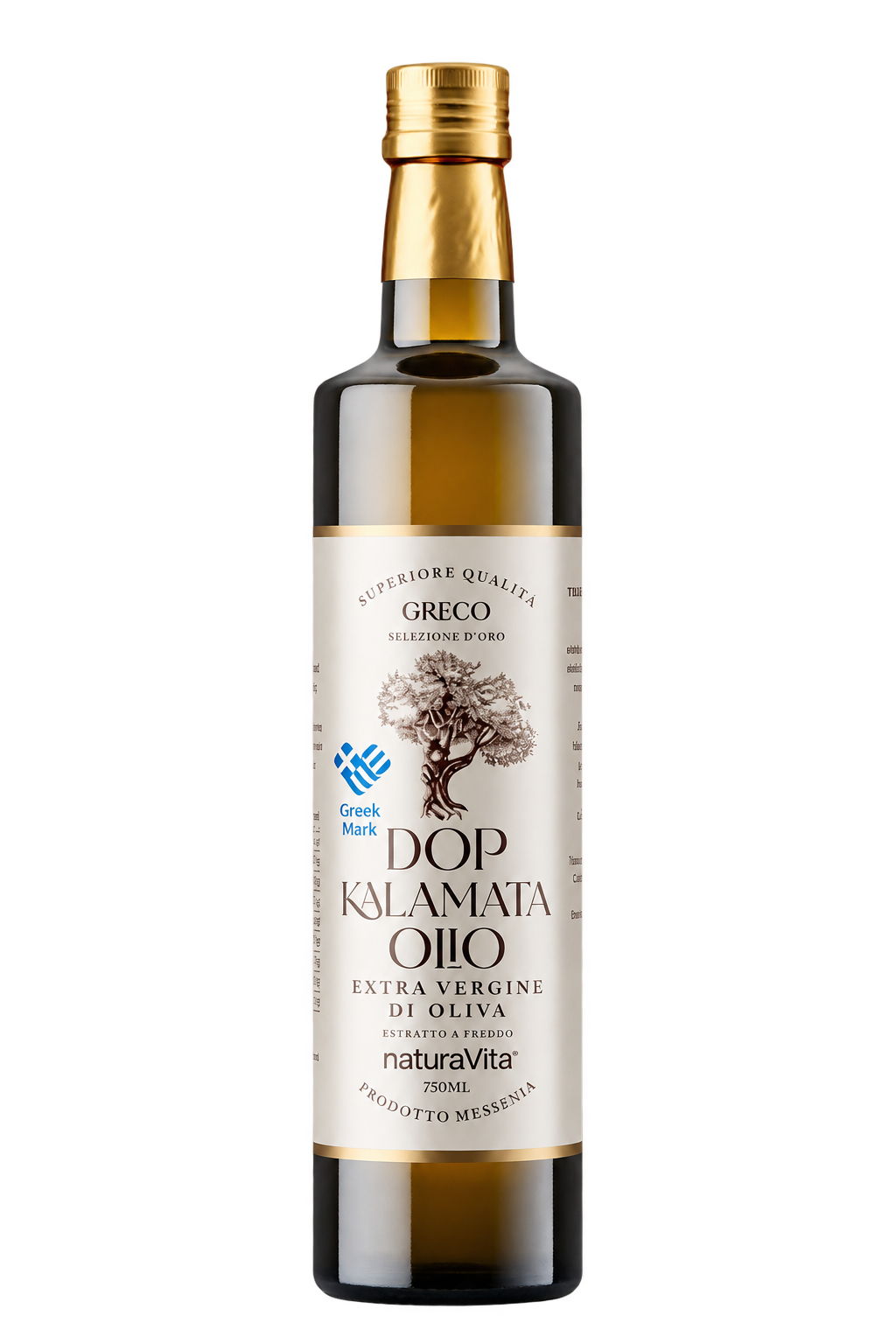
Natura Vita Golden Line · Kalamata PDO extra virgin olive oil↗
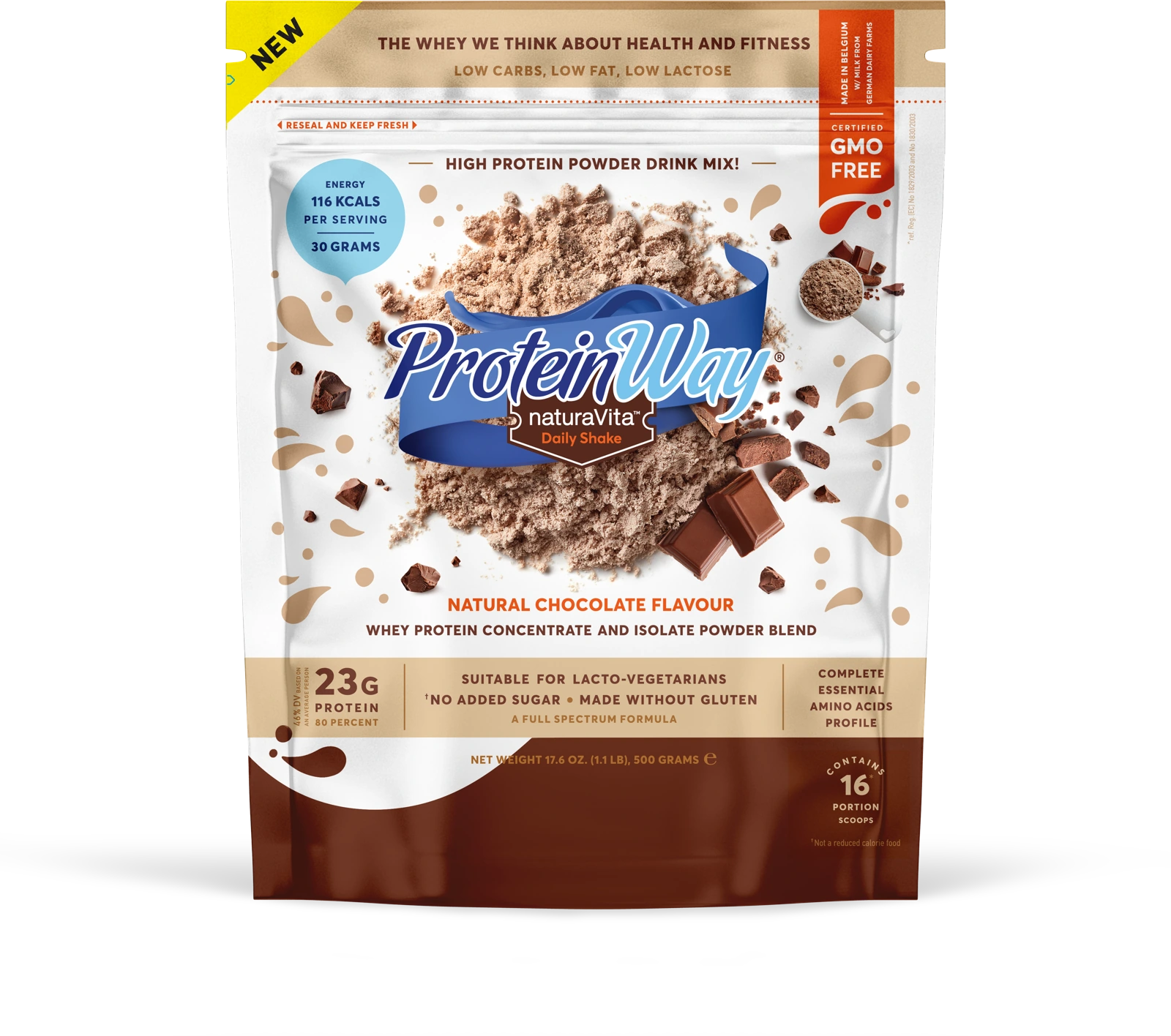
Protein Way Daily Shake · Chocolate↗
500 g
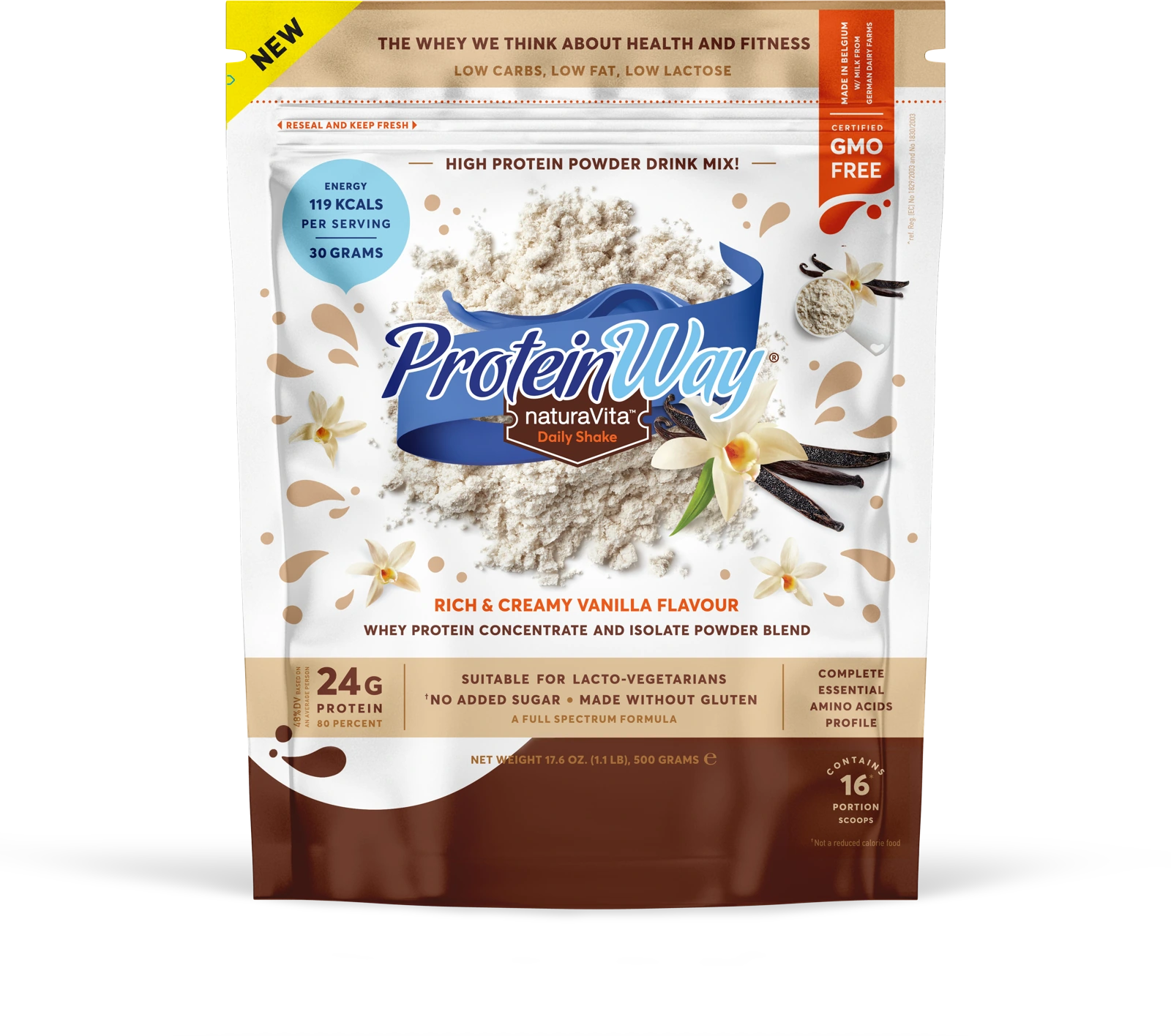
Protein Way Daily Shake · Vanilla↗
500 g
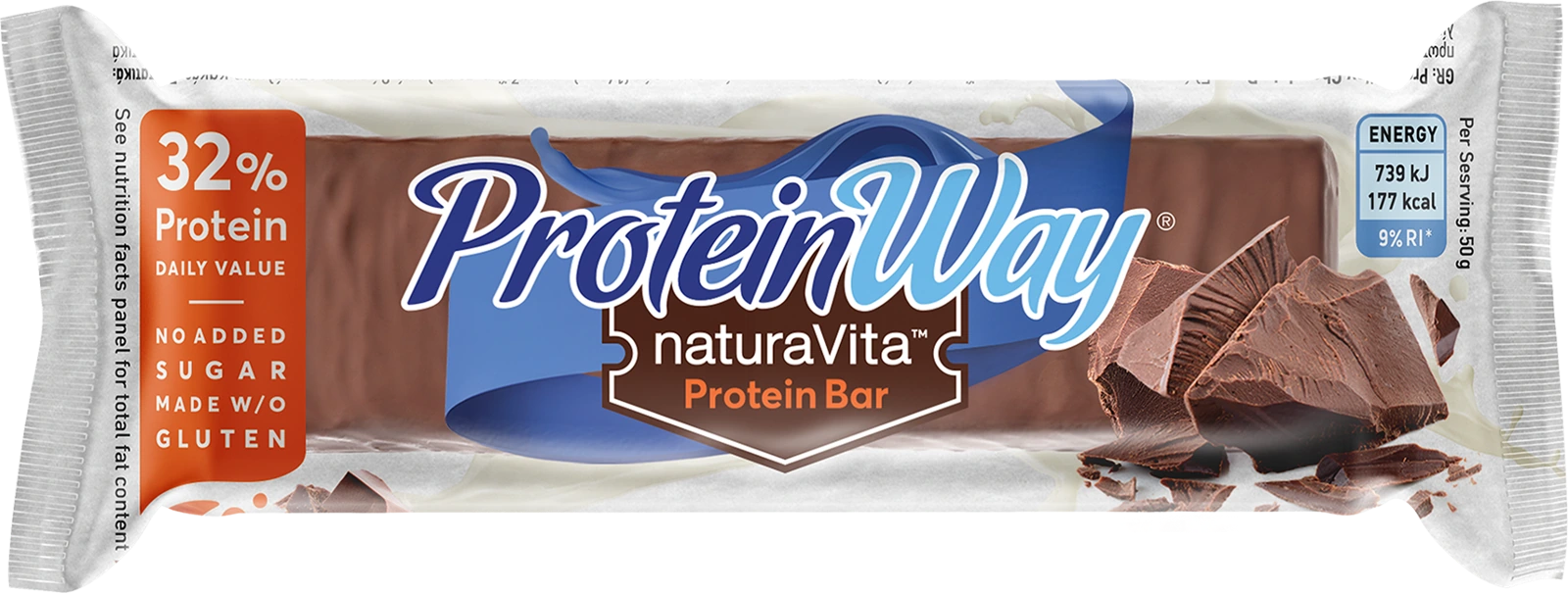
Protein Way Protein Bar · Chocolate↗
50 g
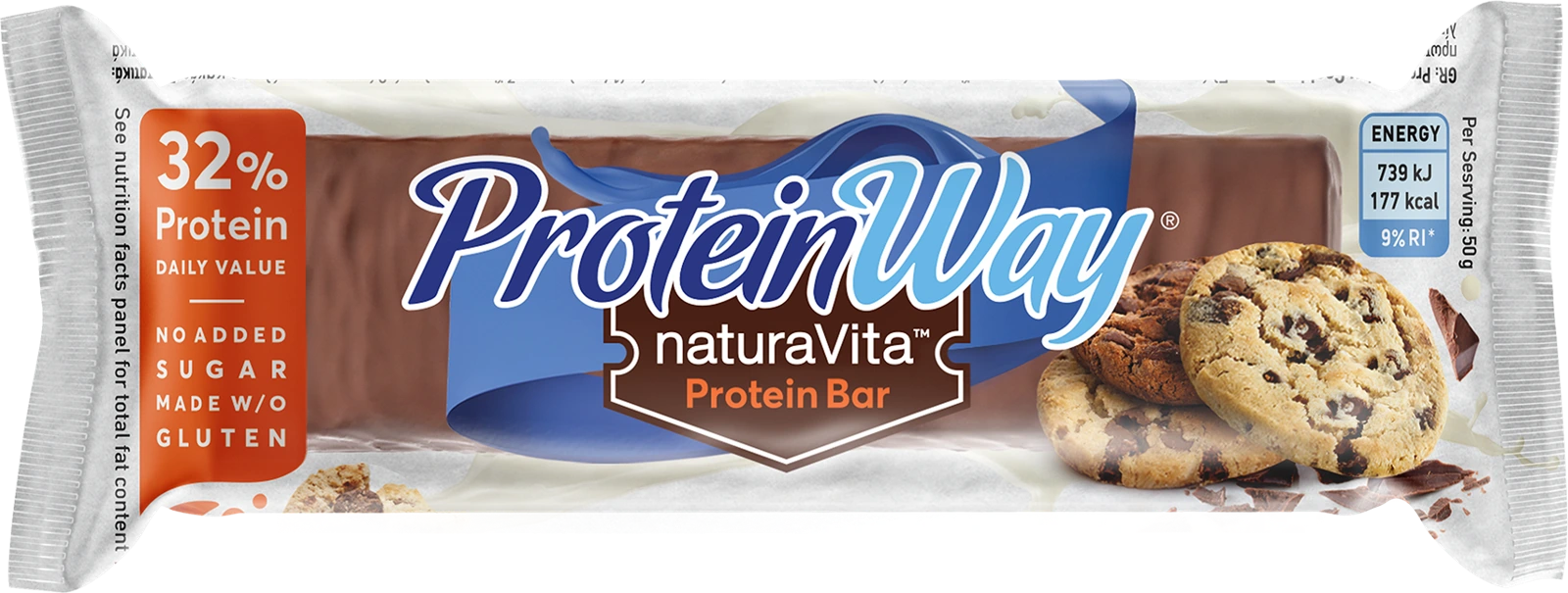
Protein Way Protein Bar · Cookies↗
50 g
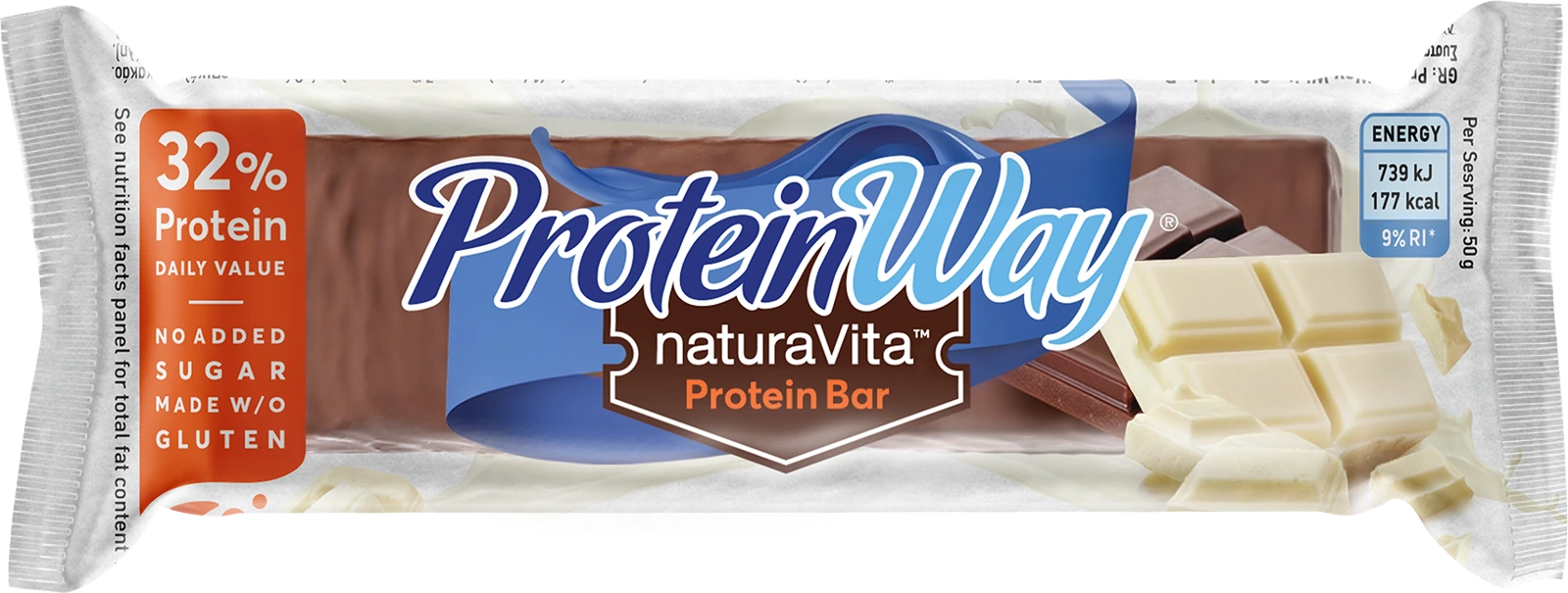
Protein Way Protein Bar · White chocolate↗
50 g
No products found. Please try a different search.
Information & guides.
The nutritional value of nuts
Nuts combine plant protein, fibre and predominantly unsaturated fats. They also supply vitamins and minerals, with a different nutrient profile for each variety. Choosing different types adds variety to the diet.
Nutrients in a small portion
Their high nutrient density comes with high energy density. A small handful, around 30 g, is a commonly used indicative portion. The amount eaten and the preparation method both matter.
Variety and simple choices
Almonds, for example, provide vitamin E, magnesium, fibre and monounsaturated fats. Plain, unsalted options offer the natural flavour without added salt.
Everyday uses
Add nuts to yoghurt, breakfast or salads, or use them in cooking and baking. For packaged foods, the nutrition information and ingredients help compare different options.
Fatty acids
Fat is part of a balanced diet. It provides energy and helps the body absorb fat-soluble vitamins, including vitamins A, D and E.
Unsaturated fats
These include monounsaturated and polyunsaturated fats, found in foods such as olive oil, nuts, seeds and fish. Omega-3 and omega-6 are types of polyunsaturated fats.
The overall eating pattern matters: replacing some saturated fat with unsaturated fat is a basic principle of a balanced diet. All fats remain energy-dense.
Dried fruit
Dried fruit is a convenient way to include fruit in meals. Its portion is smaller than fresh fruit: the NHS uses 30 g of dried fruit as an indicative portion.
Choosing and using dried fruit
Try it with breakfast, yoghurt or in recipes. Comparing ingredient lists helps distinguish different preparations. Because of its sticky texture, dried fruit is best eaten with a meal rather than as frequent between-meal snacks.
Dietary fibre
Fibre is found in plant foods: whole grains, pulses, fruit, vegetables, nuts and seeds. It is part of an eating pattern that supports normal digestion.
A variety of sources
It is preferable to obtain fibre from different foods. Oats at breakfast, pulses with a meal, and fruit or vegetables during the day provide a range of sources.
Nuts can complement this pattern without replacing other food groups. Fibre content varies between products and is shown in the nutrition information.
Nutrients in nuts
Nuts combine several groups of nutrients. Their composition varies by type and preparation method.
- Plant protein: complements protein obtained from other foods in the daily diet.
- Unsaturated fats: make up most of the fat in most nuts and include monounsaturated and polyunsaturated fatty acids.
- Fibre: contributes to their nutritional value alongside protein and fats.
- Vitamins and minerals: depending on the variety, nuts provide nutrients including vitamin E, magnesium, phosphorus and zinc.
Variety matters because each type has a different nutrient profile. Nuts are nutrient-dense but also energy-dense, so portion size remains important.
Flavours & choices
Nuts are available raw or roasted, with or without added salt, and in mixes. Roasting changes flavour and texture, while added ingredients alter the overall composition.
Choose a format to suit its use: whole as a snack, chopped in salads or ground for recipes. Salted and unsalted preparations should be compared as distinct products.
Contact
LET’S CONNECTLet’s talk.
For product information, availability and business enquiries, contact the JMN team.